Gut Health Solutions: When Multiple Approaches Are Needed
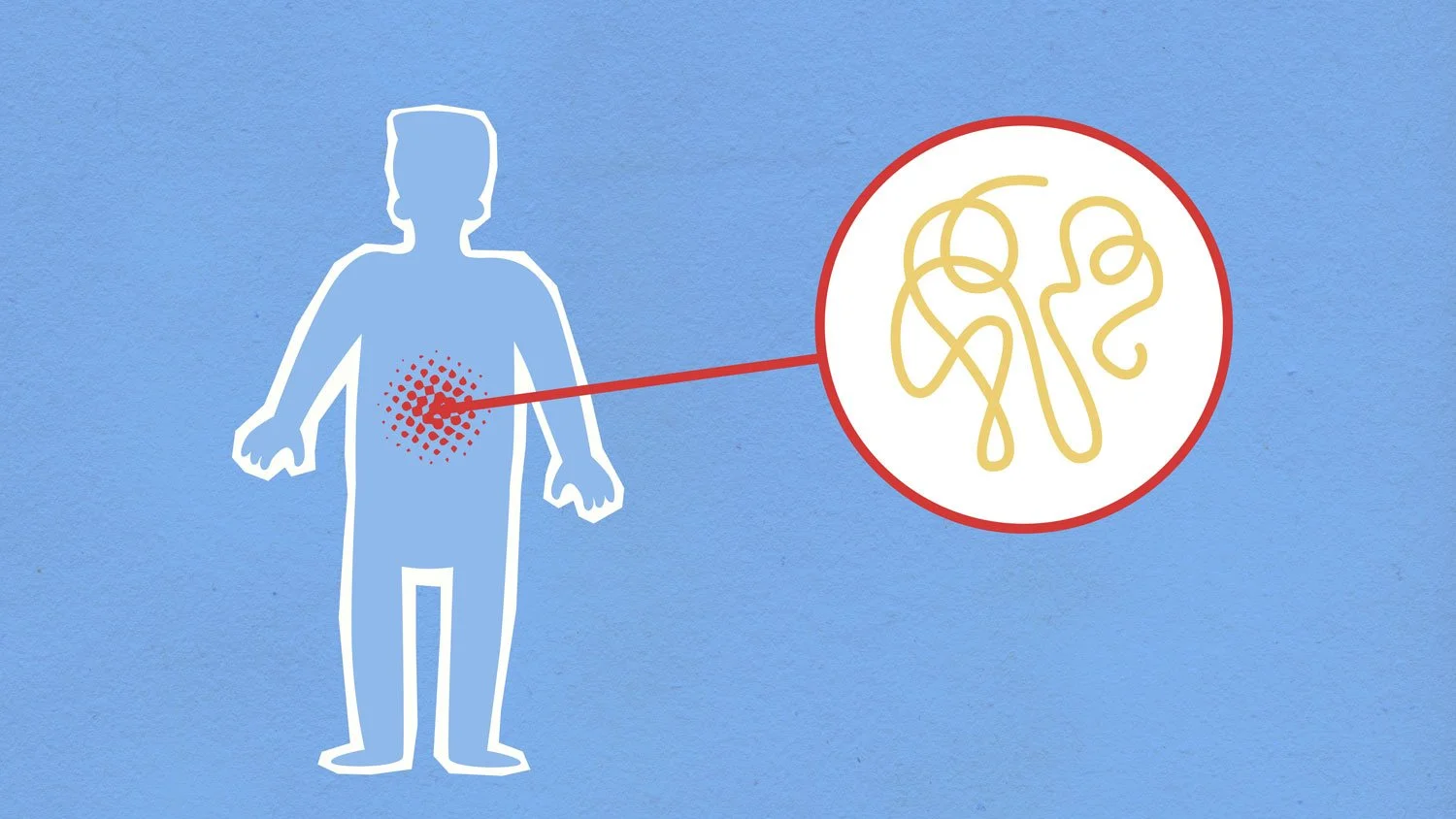
Most people know that what you eat affects how your gut feels. Food is a foundation for digestive health, and for many people it makes a real difference. But sometimes, even when dietary efforts have been carefully applied, symptoms persist. If you have already worked closely with your diet and your gut still feels unsettled, that is usually a sign that something else is going on behind the scenes.
Gut health is shaped by many systems in the body, not just the food we eat. Your gut communicates with your nervous system, hormones, immune system, and sleep-wake cycle. When any of these areas are out of balance, digestive symptoms can continue. Naturopathic care focuses on supporting these systems to help the digestive tract function more effectively. This article explains why some people need more than dietary changes and outlines the key areas a naturopath may explore when supporting gut health.
The Multifactorial Nature of Gut Symptoms
Your digestive system does more than process food. It interacts with your brain, immune system, hormones, and many other parts of your body. This network explains why some people experience bloating, constipation, diarrhea, or discomfort even after making thoughtful dietary adjustments.
Several factors often contribute to ongoing gut issues:
Altered microbiome composition – when beneficial bacteria are reduced or harmful bacteria overgrow.
Impaired gut motility – food may move too quickly or too slowly through the intestines.
Stress and the gut-brain connection – chronic stress can trigger digestive symptoms.
Post-infectious or antibiotic-related changes – past illnesses or medications may alter gut balance.
Immune system dysregulation – low-level inflammation can affect digestive function.
Hormonal and biochemical shifts – stress hormones, reproductive hormones, and neurotransmitters all influence gut activity.
These factors often interact. For example, stress can change gut motility, which in turn affects the microbiome and immune response. Understanding these connections is key to long-term improvement.
Key Non-Dietary Factors That Affect Gut Health
-
Your gut and brain are in constant communication through the gut-brain axis. When you feel stressed, your body activates the fight-or-flight response, diverting resources away from digestion. This can slow motility, increase sensitivity, or trigger diarrhea.
Stress also affects your microbiome. Studies show that emotional strain can reduce beneficial bacteria and increase gut permeability, leading to inflammation. Over time, this creates a cycle: gut symptoms increase stress, which worsens digestion, and so on.
-
Many digestive complaints come from insufficient stomach acid or enzyme production. Without enough acid, proteins and nutrients are harder to break down, and bacteria may grow inappropriately in the gut. Symptoms often include bloating, gas, reflux, or undigested food in the stool.
Factors contributing to low stomach acid include age, chronic stress, infections such as H. pylori, or long-term use of certain medications. Supporting digestive secretions is often a key step when symptoms persist despite foundational care.
-
A healthy gut contains trillions of microorganisms that support digestion, immunity, and mental health. Imbalances, or dysbiosis, occur when beneficial bacteria decrease and harmful bacteria proliferate.
Triggers include stress, antibiotics, post-infectious changes, environmental toxins, and poor sleep. Dysbiosis can manifest as bloating, irregular bowel movements, or increased sensitivity. Targeted support may help restore balance, often alongside foundational nutrition.
-
Hormonal fluctuations throughout life can significantly affect gut function. Many women notice digestive changes across their menstrual cycle, during pregnancy, or around menopause. Stress hormones like cortisol also influence motility and sensitivity. Addressing these imbalances can help stabilise digestion.
-
Sleep is essential for gut health. Poor sleep or irregular schedules can alter microbiome composition, reduce nutrient absorption, and increase inflammation. People who work shifts or struggle with sleep often experience more digestive problems, highlighting the importance of lifestyle support beyond food.
How Naturopathy Supports Gut Healing
Naturopathic care approaches gut health holistically, addressing multiple systems at once. Key strategies include:
-
Supporting the gut-brain axis is often essential. Techniques such as breathwork or mindfulness, can help activate the parasympathetic (“rest and digest”) nervous system. This reduces stress-driven digestive symptoms and supports overall gut function.
-
When stomach acid, bile, or enzymes are insufficient, digestion can be compromised. Naturopathic interventions may include bitter herbs, digestive tonics, or nutrients like zinc to support natural secretions. This helps food break down effectively and reduces common discomforts such as bloating or heaviness.
-
Targeted probiotics, prebiotics, and supportive herbal therapies can help rebalance the gut microbiome. In some cases, gentle antimicrobial strategies may be used to reduce overgrowths before introducing beneficial bacteria. This step often supports symptom relief when the microbiome has been disrupted by stress, antibiotics, or infection.
-
Nutrients and herbs like L-glutamine and marshmallow root help calm inflammation and support repair of the intestinal lining. This can reduce sensitivity and improve digestive resilience.
-
Hormonal balance, stress regulation, and sleep optimisation are all critical components of gut health. Naturopathy looks at these alongside digestive function, recognising that each person’s symptoms reflect a unique combination of influences.
Signs That Multi-Layered Support May Be Needed
Some indicators that a broader approach may be helpful include:
Persistent bloating, gas, or discomfort despite foundational nutrition work.
Symptoms that fluctuate without clear dietary triggers.
History of infection or antibiotic use.
Digestive issues that worsen during periods of stress or hormonal shifts.
Symptoms accompanied by sleep disturbances, mood changes, or low energy.
These signs suggest the need for a comprehensive approach that addresses the multiple systems interacting with the gut.
Nutrition and Naturopathy: Working Together
Nutrition and naturopathy complement each other. Nutrition provides the foundation by reducing irritants and supporting overall gut health. Naturopathy focuses on helping the body process, absorb, and respond to food, while addressing factors like stress, hormones, microbiome balance, and digestive secretions.
When combined, these approaches often provide more complete and lasting improvement than focusing on either one alone. Both are essential, and their roles are different but complementary.
Conclusion
There are times when supporting the gut involves more than nutrition alone. While nutrition is vital and provides the essential foundation for digestive wellbeing, some people continue to experience symptoms because other systems in the body also need attention. Stress physiology, digestive secretions, microbiome balance, hormonal shifts, and sleep patterns can all influence how the gut functions day to day.
Naturopathic care offers tools that support these wider influences, helping the digestive system work more comfortably and more efficiently. By looking at the gut within the context of the whole body, naturopathy can complement nutritional work and provide a more complete path toward long-term digestive comfort. With personalised support that respects your body’s unique needs, meaningful improvement is possible.