
The Health of Your Gut: A Practical Nutrition Guide
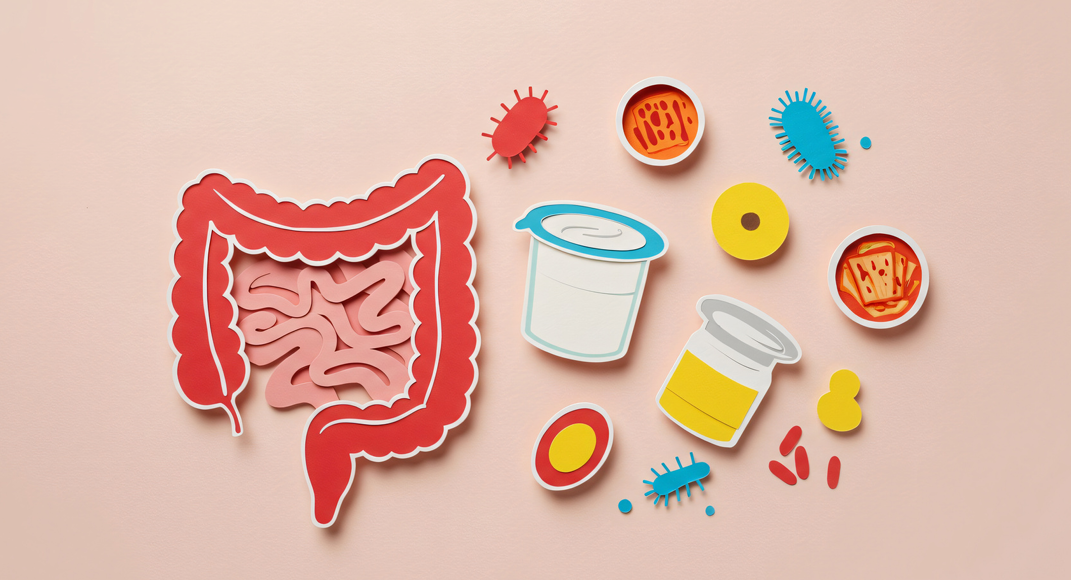
Your gut plays a central role in your overall wellbeing. Through your digestive system, your body absorbs the nutrients from food that keep every cell functioning. Yet many people struggle with gut discomfort, low energy, bloating, or irregularity — often without realising daily habits can make a meaningful difference.
Below are simple, gut-friendly practices you can weave into your routine to support better digestion, a healthier microbiome, and improved overall health.
-
Kickstart digestion first thing in the morning with warm water and:
• the juice of half a lemon, or
• a splash of apple cider vinegar
This helps stimulate stomach acid and bile production, reducing bloating and indigestion. Drink through a straw to protect your teeth and avoid brushing immediately afterwards. -
Bitter flavours naturally cue your digestive system to produce bile, supporting fat digestion and nutrient absorption. They also stimulate the production of hydrochloric acid in the stomach and can help reduce sugar cravings. Including more bitter foods is a simple way to support your body in making the most of the nutrients you eat.
Add foods like:
• leafy greens
• Brussel sprouts
• rocket
• radishes
• turmeric
• grapefruit
• dark chocolate (70%+)These help “switch on” digestion before meals.
-
Different fibres support digestion in different ways:
Soluble Fibre
What it does: It absorbs excess water and forms a gel-like substance which slows digestion. It also helps feed your good gut bacteria.
• Sources: Oats, barley, psyllium husk, legumes, citrus fruit, ripe bananas, carrots,kūmara, seeds.
• Benefits: Helps lower cholesterol, supports microbiome health, and can help with common IBS symptoms such as loose stools.
Insoluble Fibre
What it does: Adds bulk and speeds up intestinal transit.
• Sources: Wholegrains, bran, brown rice, beans, cauliflower, cabbage, nuts, fruit/veg skins.
• Benefits: Promotes regularity and can help prevent constipation.
Fermentable Fibre / Resistant Starch
What it does: Feeds beneficial gut bacteria and supports a healthier microbiome.
• Sources: Cold or reheated potatoes/rice, legumes, grains, unripe bananas. -
Probiotic-rich foods help populate the gut with beneficial bacteria. Aim to include:
• yoghurt
• kefir
• sauerkraut
• kimchi
• miso
• tempeh
• naturally fermented pickles
Variety is key for a diverse microbiome. -
Anti-inflammatory foods help protect the gut lining and reduce digestive irritation. Base your meals around:
• colourful vegetables and fruits
• leafy greens
• wholegrains
• legumes
• nuts and seeds
• olive oil
• oily fish
• herbs, spices, fermented foods
• green or herbal tea -
Take a moment to breathe and slow down before eating. Stress hormones can interfere with stomach acid production and digestive enzyme release, often leading to bloating or discomfort.
-
Chewing properly is one of the simplest ways to improve digestion. Slow down, chew thoroughly, and set your utensils down between bites to encourage mindful eating.
-
Gentle, consistent movement supports healthy digestion by increasing blood flow to the gut and improving intestinal motility.
• Going for a 10–20 minute brisk walk can improve bowel regularity.
• Practises like yoga and Pilates strengthen the core and support gut motility, helping reduce bloating.
A Simple Daily Gut-Friendly Routine
Morning
• Warm water with lemon or ACV (use a straw)
• Fibre-rich breakfast such as wholegrain oats with fruit, nuts, and seeds
During the Day
• Base your meals around anti-inflammatory foods
• Include probiotic foods (e.g., kefir, sauerkraut, miso)
• Aim for light, balanced meals full of vegetables, lean protein, and healthy fats
• Add bitter foods to help stimulate digestion
• Stay hydrated with water and herbal or green tea
• Incorporate daily movement such as walks and stretching
Meals
• Eat in a calm, relaxed state
• Chew slowly and thoroughly
A Holistic Approach to Gut Health
I believe a holistic approach is essential for achieving optimal health and wellbeing. If you’re already supporting your body with anti-inflammatory foods, fibre, prebiotics and probiotics, bitters, and digestive aids but still experience ongoing symptoms, it may be helpful to work with a Naturopath to explore how multiple body systems are functioning. Nutrition and naturopathy work beautifully together: nutrition lays the foundation for optimal gut health, while naturopathy helps the body absorb, and respond to food, by addressing key factors such as stress, hormones, microbiome balance, and digestive secretions.
When combined, these approaches often create more complete and long-lasting improvements than relying on either one alone. Both are valuable, and their roles—while different—are deeply complementary.
